

SIL vs ILO: What Is the Difference Between These NDIS Living Options?
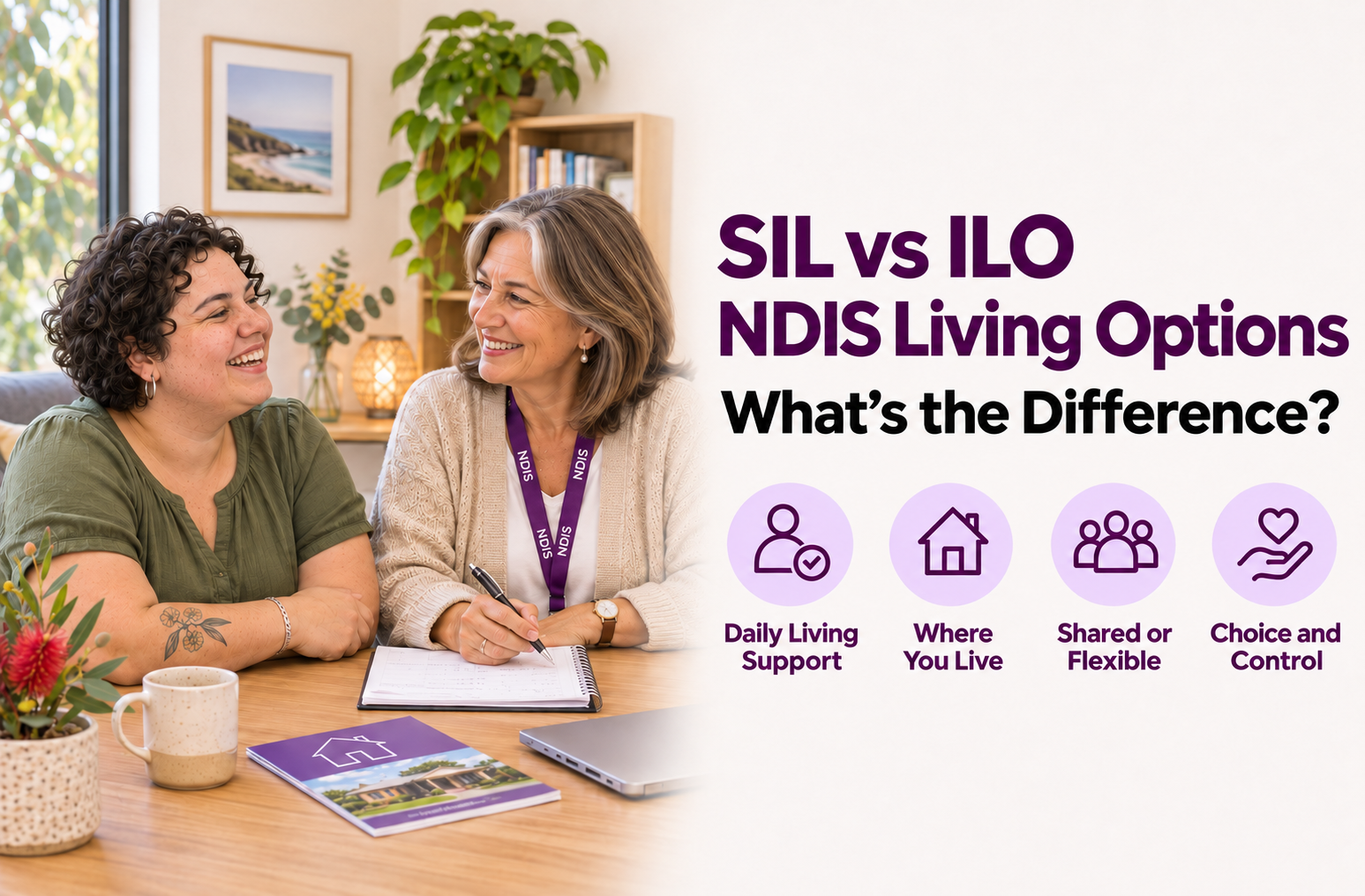
Choosing the right living arrangement is an important decision for people with disability. The National Disability Insurance Scheme (NDIS) offers different support options to help participants live more independently while receiving the assistance they need. Two common options are Supported Independent Living (SIL) and Individualised Living Options (ILO).
Understanding SIL vs ILO can help participants and their families decide which arrangement may suit their lifestyle, daily needs, and personal goals. Although both options support independent living, they work in different ways.
This Ability Care helps NDIS participants explore suitable support options in Adelaide and understand how different living arrangements can help them build confidence and independence.
What Is Supported Independent Living (SIL)?
Supported Independent Living, commonly known as SIL, is an NDIS support designed for people who need regular assistance with everyday activities. It is generally suitable for participants with higher support needs who require help to manage daily routines and live as independently as possible.
SIL support may include:
- Personal care and hygiene assistance.
- Help with cooking and meal preparation.
- Cleaning and household activities.
- Support with daily routines.
- Assistance with medication routines, where appropriate.
- Help developing everyday living skills.
SIL is often provided in shared accommodation, where participants live with other people and share support workers. Individual arrangements may also be possible, depending on the participant’s needs and funding.
A suitable SIL provider Adelaide can help participants understand available support arrangements and find services that match their approved NDIS plan.

What Is Individualised Living Options (ILO)?
Individualised Living Options, or ILO, is an NDIS support that helps participants explore and create a living arrangement suited to their individual preferences and needs.
Unlike a traditional shared support model, ILO focuses on designing a personalised living arrangement. A participant may live alone, with a housemate, with a host, or in another suitable arrangement.
ILO may involve different types of assistance, including:
- Help with household responsibilities.
- Support from friends, family, or housemates.
- Assistance from paid support workers.
- Help building social connections.
- Support with daily routines and decision-making.
The support model is designed around the participant rather than requiring them to fit into a standard accommodation arrangement. People exploring ILO in Adelaide can consider different ways of living while maintaining suitable support.
SIL vs ILO: Understanding the Main Differences
The main distinction between these options is how support is organised and delivered.
SIL generally provides regular assistance with daily activities, often through a roster of support workers. Participants may share a home and support arrangements with other residents.
ILO offers greater flexibility in designing a living arrangement. It focuses on creating a support network that may combine paid assistance with help from trusted people in the participant’s life.
When considering ILO vs SIL, it is important to look beyond the type of accommodation. The participant’s support requirements, preferences, safety, and long-term goals should guide the decision.
Here are some key differences:
Feature | SIL | ILO |
Support approach | Regular daily assistance | Personalised support arrangement |
Living arrangement | Often shared accommodation | Can include living alone or with others |
Support workers | Usually organised through a provider | May combine paid and informal support |
Flexibility | Based on the agreed support model | Designed around individual preferences |
Main focus | Assistance with everyday activities | Building a personalised way to live |
The difference between SIL and ILO is not simply about where someone lives. It is also about how their support network is planned and managed.

Which Living Option Offers More Independence?
Both options aim to help participants develop independence, but the level and type of assistance can differ.
SIL may suit people who need regular help with personal care, household activities, and daily routines. Having support workers available according to an agreed roster can provide structure and consistency.
ILO may suit participants who want more choice in how they live and receive support. They may prefer to combine formal assistance with help from family, friends, or other trusted people.
There is no single option that works for everyone. The right choice depends on individual circumstances, assessed needs, and available NDIS funding.
How Does NDIS Funding Work for SIL and ILO?
SIL and ILO funding depend on a participant’s assessed support requirements and approved NDIS plan. The NDIS does not provide one fixed funding amount for everyone.
SIL funding generally covers eligible assistance with daily living activities. ILO funding can support the development and implementation of an individualised living arrangement, subject to NDIS rules.
Neither option automatically covers ordinary accommodation costs such as rent, groceries, or household bills. Participants should understand which expenses they need to pay themselves.
A reliable SIL provider Adelaide can help explain the support services they offer and how these may fit within a participant’s funding. People considering ILO in Adelaide can also discuss their preferred living arrangements and support requirements with relevant providers.
Choosing the Right NDIS Living Arrangement
Before deciding between these options, participants should consider how much daily assistance they need, whether they prefer shared or individual living, and who they want involved in their support network.
A professional assessment can help identify suitable options. Participants should also consider their safety, personal preferences, social connections, and future goals.
This Ability Care supports people with disability in exploring suitable NDIS services and working towards greater independence. Our team can help participants understand their support needs and discuss available living support options.
Understanding SIL vs ILO is a useful starting point, but the final decision should reflect what works best for the individual.
Explore Your Living Support Options with This Ability Care
If you are considering ILO vs SIL, This Ability Care can help you understand available NDIS support options in Adelaide. Contact our team to discuss your goals and explore an arrangement that supports your independence and everyday needs.
How to Implement a Behaviour Support Plan in Everyday Life

What Is Robust SDA Housing and Who Is It Designed For?
NDIS Support After Leaving Prison: What You Need to Know
What Is Forensic Disability Support and Who Needs It?
Frequently Asked Questions
What is the main difference between SIL and ILO in the NDIS?
SIL provides regular assistance with daily living activities, while ILO helps create a personalised living arrangement with a flexible combination of formal and informal support.
Is SIL or ILO better for independent living?
Neither is automatically better. SIL may suit people who need regular daily assistance, while ILO may suit those who prefer a more personalised support arrangement.
Who is eligible for SIL and ILO funding?
Eligibility depends on individual circumstances and NDIS requirements. Participants must demonstrate that the requested support is reasonable and necessary and meets the relevant funding criteria.
Does ILO provide more flexibility than SIL?
ILO generally offers more flexibility in designing living arrangements and combining different types of support. SIL usually follows an agreed daily support model.
Can you live alone with SIL or ILO support?
Yes, individual arrangements may be possible under both options, depending on assessed needs, available funding, and the suitability of the proposed support model.
Does SIL include accommodation costs?
No. SIL funding generally covers eligible daily living assistance, not ordinary rent, groceries, utilities, or other everyday household expenses.
How much funding can you receive for SIL or ILO?
There is no standard amount. Funding depends on the participant’s assessed needs, support arrangements, and NDIS approval.
Can you switch from SIL to ILO under the NDIS?
A participant may explore changing arrangements, but the new support must meet NDIS requirements and receive the appropriate approval. Planning and reassessment may be needed.
What types of support are included in SIL and ILO?
SIL may include personal care, cooking, cleaning, and daily routine assistance. ILO may combine paid support, informal assistance, and help with everyday activities.
How do you choose between SIL and ILO?
Consider your daily support needs, preferred living arrangement, independence goals, and available funding. Discussing SIL vs ILO with an experienced provider can help you understand suitable options.