

How to Implement a Behaviour Support Plan in Everyday Life
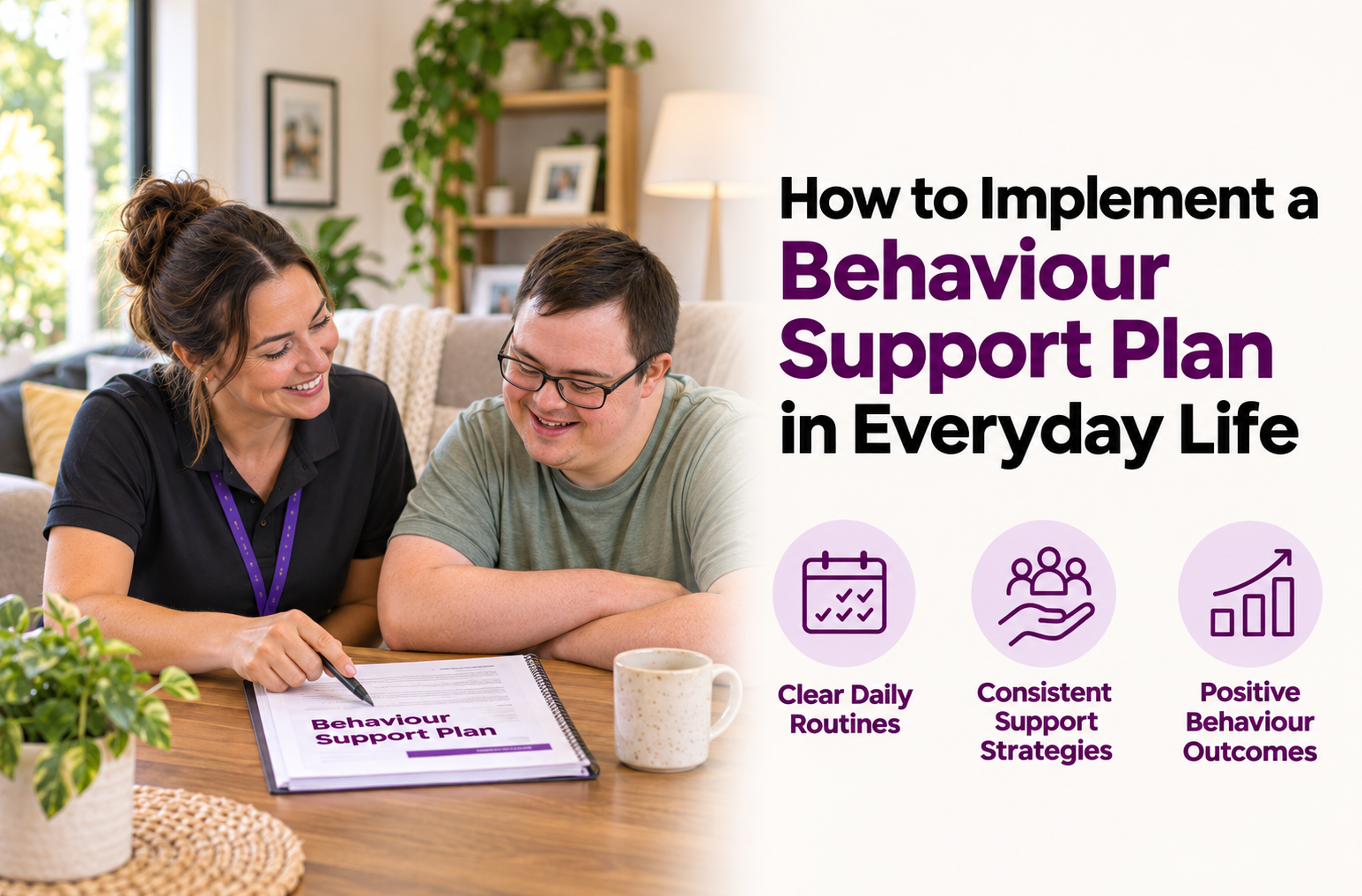
A well-designed behaviour support plan can help people manage challenging situations, build positive habits, communicate their needs, and participate more confidently in everyday activities. For people living with disability, the right support can make daily routines easier and improve their independence, relationships, and overall quality of life.
However, creating a plan is only the first step. Implementing behaviour support plans means using them consistently at home, in the community, at work, and during other daily activities. It involves understanding the person’s needs, following agreed support approaches, and working together to achieve meaningful outcomes.
With guidance from experienced professionals and support workers, families and carers can make these strategies part of everyday life. At This Ability Care, we support NDIS participants in Adelaide by helping them access appropriate disability support and develop skills that encourage independence, safety, and participation, including NDIS forensic support for participants with complex needs.
Understanding the Purpose of a Behaviour Support Plan
A behaviour support plan explains how to understand and respond to behaviours that may affect a person’s safety, communication, relationships, or daily activities. It identifies possible reasons behind behaviours and outlines practical ways to provide appropriate support.
The goal is not simply to stop a behaviour. Instead, the focus is on understanding what the person may be communicating, identifying unmet needs, and teaching helpful skills.
For example, a person may become distressed when their usual routine changes unexpectedly. A support approach could include providing advance notice, using visual schedules, and allowing extra time to adjust.
When everyone involved understands the plan, they can respond more consistently and help the person feel supported in different environments.

Implementing a Behaviour Support Plan: 6 Practical Steps

1. Understand the Plan Before Using It
Before introducing any strategies, families, carers, and support workers should understand the recommendations in the plan. They need to know what the person may find difficult, which situations can cause distress, and how to respond appropriately.
Take time to review the following details:
- Individual needs: Understand the person’s preferences, communication style, strengths, and support requirements.
- Possible triggers: Identify situations, environmental changes, or unmet needs that may contribute to distress.
- Early warning signs: Learn to recognise changes in behaviour that may indicate discomfort or frustration.
- Recommended responses: Follow the agreed steps for providing support during difficult situations.
- Safety guidance: Understand how to reduce risks and respond when additional assistance is needed.
If anything is unclear, ask the relevant behaviour support practitioner or coordinator for clarification. Everyone should understand their responsibilities before putting the plan into practice.
2. Include Behaviour Support Strategies in Daily Routines
Daily routines provide many opportunities to practise positive skills. Rather than treating support as a separate activity, incorporate appropriate behaviour support strategies into regular tasks such as getting dressed, preparing meals, attending appointments, or completing household activities. Our daily personal activities support is one way participants can practise these routines with consistent, trained support.
For example, a morning routine may become easier when the person has a clear schedule and enough time to complete each step. Breaking a larger task into smaller activities can also reduce confusion and encourage independence.
Effective behaviour support strategies should reflect the person’s abilities, preferences, and goals. Common examples include visual schedules, clear communication, positive reinforcement, offering choices, adjusting environments, and teaching new skills through development life skills support. Some people may benefit from visual reminders, while others may respond better to verbal instructions, demonstrations, or additional processing time.
Consistency is important, but flexibility is equally valuable. Support workers should adapt their communication and assistance to the situation without changing the agreed plan without appropriate guidance.
3. Encourage Communication and Choice
Sometimes, behaviours occur because a person cannot easily communicate discomfort, frustration, fear, or a need for help. Providing accessible ways to express these feelings can make everyday interactions more positive.
Depending on the person’s needs, communication may involve spoken language, pictures, gestures, communication boards, or assistive technology.
Offer choices wherever possible. For instance, allowing someone to choose between two suitable activities can help them feel involved in decisions that affect their day.
It is also important to listen carefully, respect personal boundaries, and give the person enough time to respond. These small actions can build trust and help prevent misunderstandings.
4. Respond Calmly During Difficult Situations
A person’s behaviour may change when they feel overwhelmed, tired, uncomfortable, or unable to express their needs. During these situations, a calm and respectful response can help reduce additional stress.
Support workers and family members should avoid shouting, threatening, blaming, or arguing. Instead, they can use simple language, reduce unnecessary noise, provide space when safe, and follow the response steps outlined in the plan.
Implementing a behaviour support plan also means recognising when a situation requires additional assistance. If there is an immediate safety concern, follow the plan’s emergency procedures and seek appropriate help.
After the situation has settled, consider what happened before the behaviour, how the person responded, and whether any environmental changes could improve future experiences. The purpose is to understand and support, not to punish.
5. Work Together With Families and Support Workers
Consistent support is easier when everyone involved understands the same goals. Families, support workers, carers, and relevant professionals should communicate regularly about what is working and where further assistance may be needed.
Useful practices include:
- Sharing relevant observations about daily activities.
- Discussing changes in routines, health, or support needs.
- Following agreed communication and safety procedures.
- Recording important incidents accurately.
- Asking for professional guidance when concerns arise.
Families can provide valuable information about the person’s preferences, history, and everyday experiences. Support workers can contribute observations from community activities and other support settings, such as social and community group activities.
This teamwork helps ensure that the person’s needs remain central to decisions and that the approaches used across different environments are appropriate.
6. Monitor Progress and Make Improvements
A plan should be reviewed regularly to determine whether its approaches are helping the person achieve their goals. Keeping clear, factual records can help identify patterns and highlight improvements that may otherwise go unnoticed.
For example, records may show that distress occurs more frequently during noisy activities or unexpected transitions. This information can help the behaviour support practitioner consider whether environmental adjustments or other changes are needed.
Look beyond whether a behaviour has decreased. Progress may also include improved communication, greater participation, increased independence, better emotional regulation, and stronger relationships.
If a strategy is ineffective, avoid making major changes without appropriate professional guidance. Discuss the concerns with the relevant practitioner and follow any required review process.
Behaviour Support Plans and NDIS Forensic Support in Adelaide
For participants who have had contact with the justice system, a behaviour support plan can be an important part of staying safe and building stable routines in the community. Clear strategies, consistent responses, and accurate record keeping help everyone involved understand the person’s needs and support them through times of change.
Our NDIS forensic support in Adelaide works alongside the participant’s behaviour support practitioner, support coordinator, family, and other professionals. Support workers help put agreed behaviour support strategies into practice in daily life, from building routines and life skills to community participation and safe transitions, always within their role, training, and the participant’s plan.
The focus is on respect, safety, and helping each participant work towards their own goals.

How This Ability Care Can Support Everyday Independence
This Ability Care provides disability support services in Adelaide, helping NDIS participants access support that reflects their individual needs and goals.
For participants who require assistance with daily routines, community participation, or independent living skills, suitable support can help make everyday activities more manageable. Families can also benefit from clear communication and coordinated assistance from people who understand the participant’s support requirements.
When a participant has a behaviour support plan, the support team should understand the relevant recommendations, follow agreed procedures, and work within their role and training. Any regulated restrictive practices must be handled in accordance with applicable authorisation requirements and safeguards.
This Ability Care aims to help participants work towards greater independence, meaningful participation, and an improved quality of life through appropriate disability support, including NDIS forensic support where it is needed.

Make Everyday Support More Meaningful
Putting a behaviour support plan into practice requires patience, consistency, teamwork, and a clear understanding of the person’s needs. Small improvements in communication, daily routines, and environmental support can make a meaningful difference over time.
With the right guidance and appropriate disability services, people can develop useful skills, make more choices, and participate more confidently in everyday life.
How to Implement a Behaviour Support Plan in Everyday Life

What Is Robust SDA Housing and Who Is It Designed For?

NDIS Support After Leaving Prison: What You Need to Know

What Is Forensic Disability Support and Who Needs It?

Frequently Asked Questions
What Is a Behaviour Support Plan?
A behaviour support plan outlines a person’s needs, possible behavioural triggers, proactive support approaches, and appropriate responses. It aims to improve quality of life, build skills, and reduce situations that may cause distress or risk.
Who Can Create a Behaviour Support Plan?
A suitably qualified behaviour support practitioner develops the plan. For NDIS participants, certain plans and regulated restrictive practices must meet applicable NDIS requirements, including those set by the NDIS Quality and Safeguards Commission.
Who Is Responsible for Implementing a Behaviour Support Plan?
Trained support workers, family members, carers, and other relevant people may help implement the plan, depending on their roles and responsibilities. They should follow the agreed instructions and seek guidance when needed.
How Is a Behaviour Support Plan Used in Everyday Life?
It guides daily routines, communication, transitions, community activities, and responses to distress. Strategies are incorporated into normal activities to support safety, independence, and participation.
What Are Common Behaviour Support Strategies?
Common behaviour support strategies include visual schedules, clear communication, positive reinforcement, offering choices, adjusting environments, teaching new skills, and recognising early signs of distress.
How Can Support Workers Follow a Behaviour Support Plan?
Support workers should read the plan, understand their responsibilities, use the recommended approaches consistently, record relevant observations, and report concerns to the appropriate person.
How Often Should a Behaviour Support Plan Be Reviewed?
Reviews should follow applicable requirements and the person’s needs. A review may be needed sooner if circumstances change, risks increase, or the current approaches are not effective.
What Should You Do If a Behaviour Support Plan Is Not Working?
Record relevant observations, consider possible changes in the person’s needs, and contact the behaviour support practitioner. Follow existing safety procedures while appropriate adjustments are considered.
How Can Families Help Implement a Behaviour Support Plan?
Families can share information about the person’s preferences, maintain familiar routines, use agreed communication approaches, and work with support workers and professionals to monitor progress.
How Does Positive Behaviour Support Improve Daily Life?
Positive behaviour support can improve communication, emotional wellbeing, relationships, independence, and participation. It focuses on understanding needs and developing practical skills rather than relying on punishment.
Can a Behaviour Support Plan Be Part of NDIS Forensic Support?
Yes. For participants who have had contact with the justice system, a behaviour support plan can guide consistent, respectful support in daily life. At This Ability Care, our NDIS forensic support team works with the participant’s practitioner and other professionals to follow the agreed plan and approaches