

What is Motor Neurone Disease (MND)? Symptoms, Causes & Treatment
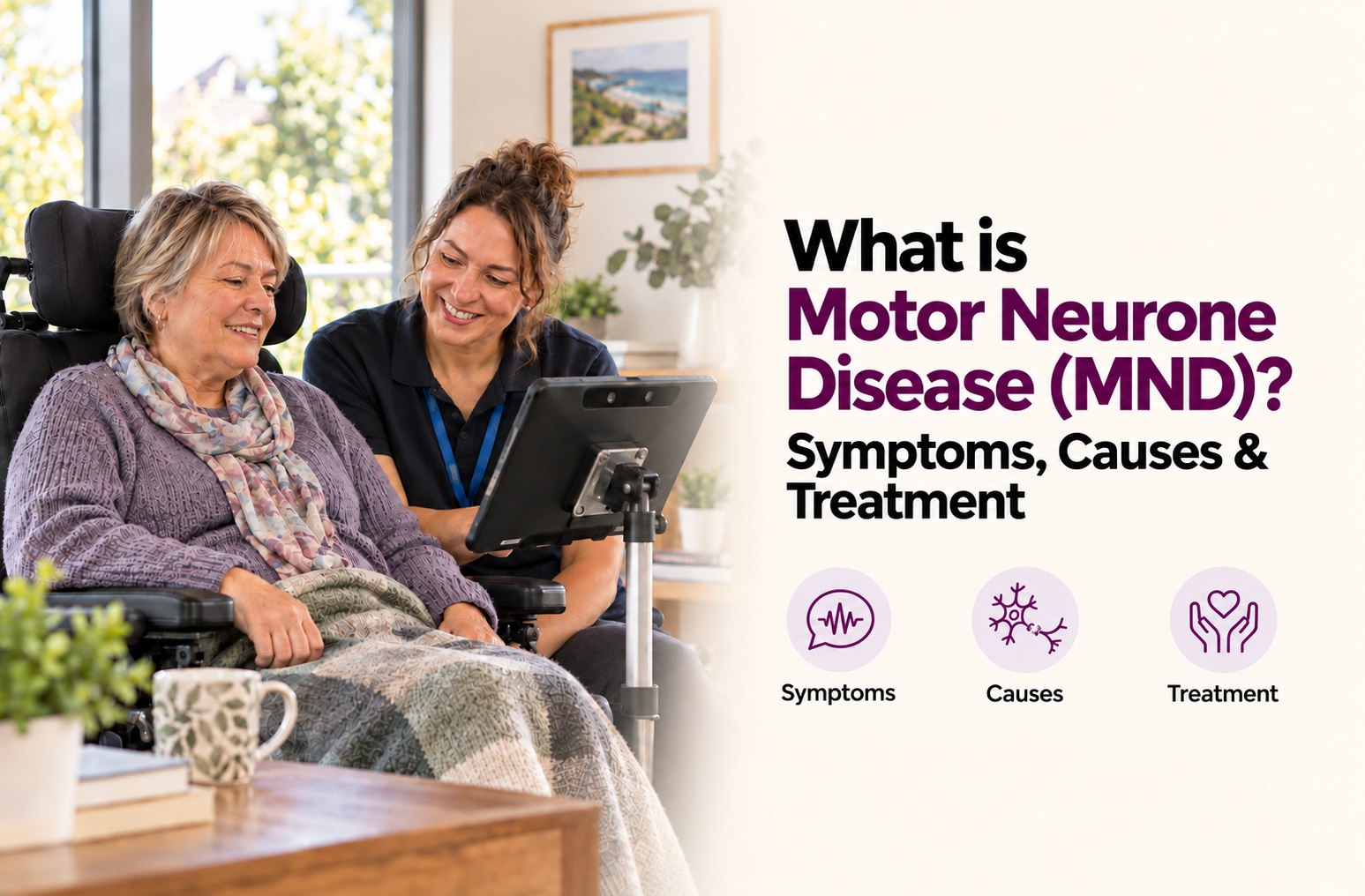
Motor Neurone Disease (MND) is a serious and progressive neurological condition that affects the nerves responsible for controlling voluntary muscles. If you are wondering what is motor neurone disease, it is a condition where motor neurons gradually stop working, leading to muscle weakness and loss of movement over time. Understanding what is motor neurone disease is essential for early recognition, proper care, and improving quality of life.
In this article, we will explore what is motor neurone disease, including its symptoms, causes, diagnosis, and available treatments.
What is Motor Neurone Disease?
To understand what is motor neurone disease, it helps to know how the nervous system works. Motor neurons are nerve cells that send signals from the brain to the muscles, allowing us to move, speak, swallow, and breathe.
What is motor neurone disease in simple terms? It is a condition where these motor neurons degenerate and die. As a result, muscles no longer receive signals to function, leading to progressive weakness and muscle wasting.
There are different types of MND, with Amyotrophic Lateral Sclerosis (ALS) being the most common. Regardless of the type, the impact on daily life can be significant, making early understanding of what is motor neurone disease critically important.
Motor Neurone Disease Symptoms

Recognising motor neurone disease symptoms early can help in seeking timely medical support. Symptoms may vary from person to person and often develop gradually.
Early Symptoms
Many people first notice mild issues, such as:
- Muscle weakness in the hands or legs
- Difficulty gripping or holding objects
- Slurred speech
- Muscle cramps or twitching
If you are asking what are the symptoms of motor neurone disease, these early signs are often subtle but should not be ignored.
Progressive Symptoms

As the condition advances, symptoms become more severe:
- Increased muscle weakness and paralysis
- Difficulty walking or maintaining balance
- Trouble swallowing (dysphagia)
- Breathing difficulties
- Loss of speech
These motor neurone disease symptoms worsen over time as more motor neurons are affected.
Advanced Symptoms

In later stages, individuals may experience:
- Severe mobility limitations
- Complete dependence on assistive devices
- Respiratory complications
Understanding what are the symptoms of motor neurone disease at each stage helps families and caregivers prepare for changing needs.
Causes of Motor Neuron Disease
One of the most common questions is about the causes of motor neuron disease. Unfortunately, the exact cause is still not fully understood.
Known Risk Factors
While exploring what is motor neurone disease, researchers have identified several possible contributing factors:
- Genetic mutations (familial MND accounts for about 10% of cases)
- Environmental exposures
- Age (most common in people over 50)
- Gender (slightly more common in men)
Despite ongoing research, the precise causes of motor neuron disease remain unclear in most cases.
Sporadic vs Familial MND
- Sporadic MND: Occurs without a clear family history
- Familial MND: Inherited through genetic mutations
Understanding these categories is important when learning what is motor neurone disease and assessing individual risk.
How is Motor Neurone Disease Diagnosed?
Diagnosing MND can be complex because its symptoms often resemble other neurological conditions. When exploring what is motor neurone disease, diagnosis typically involves multiple steps.
Medical Evaluation
Doctors will review:
- Medical history
- Physical and neurological examinations
- Symptom progression
Diagnostic Tests
To confirm the condition, specialists may use:
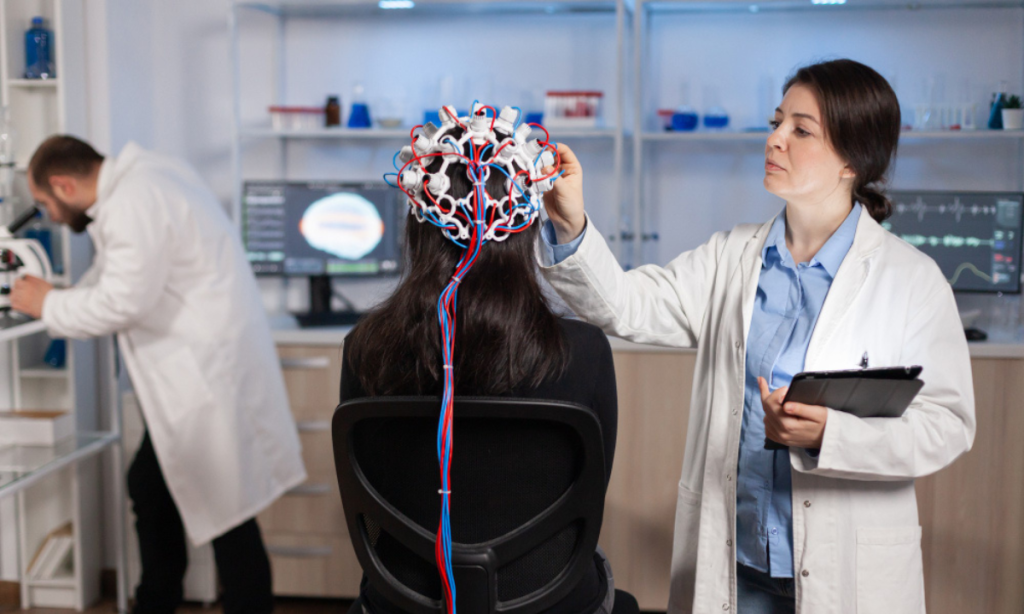
- Electromyography (EMG) to assess muscle activity
- Nerve conduction studies
- MRI scans to rule out other conditions
- Blood tests
Treatment for Motor Neurone Disease
Currently, there is no cure for MND. However, treatments focus on managing symptoms and improving quality of life. Knowing what is motor neurone disease includes understanding how it can be managed effectively.
Medications
Certain medications may help:
- Slow disease progression (e.g., Riluzole)
- Manage symptoms like muscle cramps and saliva control
Supportive Therapies
A multidisciplinary approach is essential:
- Physiotherapy to maintain mobility
- Speech therapy for communication difficulties
- Occupational therapy for daily living support
- Nutritional support, including PEG feeding if needed
Respiratory Support
As breathing becomes affected, support may include:
- Non-invasive ventilation (BiPAP)
- Respiratory monitoring
Specialist Care Services
Access to professional care is vital. Services such as Motor Neurone Disease Support Adelaide and MND Support Services in Adelaide provide tailored assistance, including daily care, mobility support, and emotional guidance for both individuals and families.
These services play a key role in managing what is motor neurone disease in real-life situations.
Living with Motor Neurone Disease
Living with MND presents physical, emotional, and social challenges. Understanding what is motor neurone disease helps individuals and families adapt to these changes.
Emotional and Psychological Support
A diagnosis can bring anxiety, grief, and uncertainty. Counselling and support groups can help individuals cope with these emotions.
Assistive Technology
Modern tools can improve independence:
- Communication devices (eye-gaze systems)
- Mobility aids such as wheelchairs
- Home modifications
Role of Caregivers
Caregivers play a crucial role in supporting daily activities and maintaining quality of life. Access to MND Support Services in Adelaide ensures both patients and caregivers receive the help they need.
Importance of Early Support and Care
Understanding what is motor neurone disease is only the first step. Early access to care and support services can make a significant difference.
Specialised providers offering Motor Neurone Disease Support Adelaide focus on:
- Personalised care plans
- Rapid response to changing needs
- Coordination with healthcare professionals
This level of support helps individuals maintain dignity, comfort, and independence for as long as possible.
Conclusion
So, what is motor neurone disease? It is a progressive neurological condition that affects the motor neurons responsible for movement, speech, and breathing. While there is currently no cure, early diagnosis, proper treatment, and access to specialised support can greatly improve quality of life.
By understanding what is motor neurone disease, recognising symptoms early, and seeking appropriate care, individuals and families can better navigate the challenges of this condition.


What Is NDIS Plan Management? How Does It Work?



What is SDA Housing? A Simple Guide For Australians
Frequently Asked Questions
What is Motor Neurone Disease (MND)?
Motor Neurone Disease (MND) is a progressive neurological condition that affects motor neurons, leading to muscle weakness and loss of movement.
What are the early symptoms of Motor Neurone Disease?
Early signs include muscle weakness, twitching, difficulty gripping objects, and mild speech changes.
What causes Motor Neurone Disease?
The exact causes are unknown, but factors may include genetic mutations, environmental influences, and age-related risks.
How is Motor Neurone Disease diagnosed?
Diagnosis involves neurological exams, EMG tests, MRI scans, and ruling out other conditions.
Can people with Motor Neurone Disease receive NDIS support?
Yes, individuals with MND are eligible for NDIS support, which can cover care services, equipment, and therapies.
What treatments are available for Motor Neurone Disease?
While there is no cure, treatments include medications, therapy, respiratory support, and specialised care services to manage symptoms and improve quality of life.