

Registered NDIS Service Provider in Adelaide
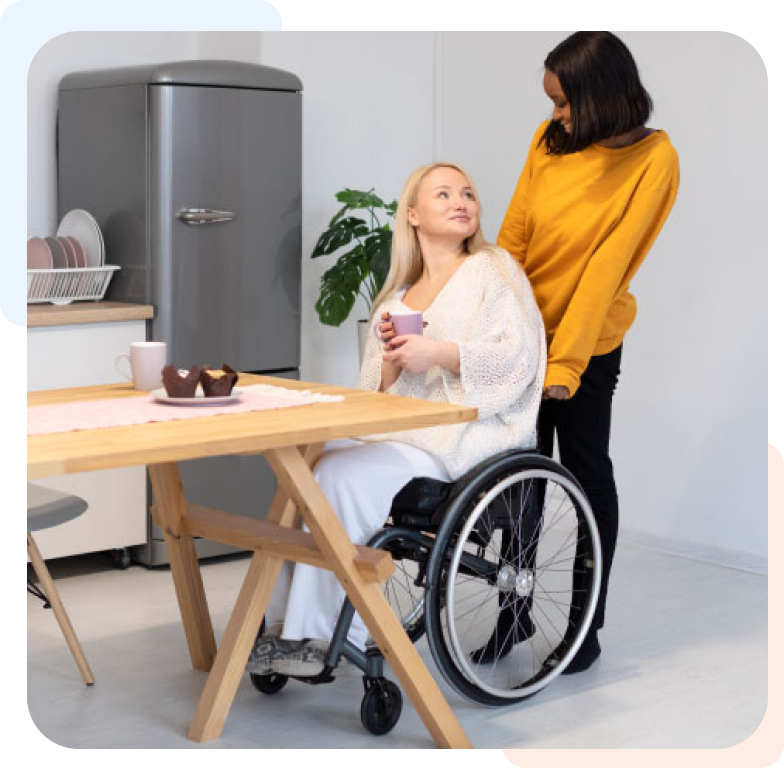
MND is a progressive neurological disease that causes motor neurons to deteriorate. This leads to muscle weakness, speech difficulties, swallowing issues, and ultimately respiratory compromise. MND has no known cure and an average life expectancy of just 2–3 years after diagnosis. Hence, timely and tailored support becomes essential. This is why finding the right Motor Neurone Disease (MND) Support provider in Adelaide can truly change the care journey.
In Australia, approximately two people are diagnosed, and two die, from MND every single day. With around 2,700 people currently living with MND nationally, and no requirement for reporting, actual numbers may be even higher. This rising prevalence underscores the importance of specialised supports.
MND symptoms can vary dramatically, from early muscle twitching to loss of speech or mobility. Emotional burdens, including anxiety and grief, often accompany these changes. That means support must evolve continuously. A static care plan won't suffice. We exist to fill that gap, offering multi‑disciplinary, responsive, and compassionate care that flexes with each individual's journey.
MND is a progressive neurological disease that causes motor neurons to deteriorate. This leads to muscle weakness, speech difficulties, swallowing issues, and ultimately respiratory compromise. MND has no known cure and an average life expectancy of just 2–3 years after diagnosis. Hence, timely and tailored support becomes essential. This is why finding the right Motor Neurone Disease (MND) Support provider in Adelaide can truly change the care journey.
In Australia, approximately two people are diagnosed, and two die, from MND every single day. With around 2,700 people currently living with MND nationally, and no requirement for reporting, actual numbers may be even higher. This rising prevalence underscores the importance of specialised supports.
MND symptoms can vary dramatically, from early muscle twitching to loss of speech or mobility. Emotional burdens, including anxiety and grief, often accompany these changes. That means support must evolve continuously. A static care plan won't suffice. We exist to fill that gap, offering multi‑disciplinary, responsive, and compassionate care that flexes with each individual's journey.
We uphold the highest standards for our Motor Neurone Disease Support Workers in Adelaide:


No two MND journeys are the same. That’s why our support is never one-size-fits-all. From the moment we meet a participant, we focus on understanding their unique personality, routines, and goals. Whether someone prefers a quiet morning routine, needs help with assistive communication devices, or enjoys familiar staff around them, we adapt. It’s this personalised approach that helps people living with MND hold on to their identity, dignity, and a sense of control in a rapidly changing world.

Why focus on MND and not just general disability care? Because there’s a world of difference with:

At This Ability Care, we’re committed to delivering the highest quality of Motor Neurone Disease Support Services in Adelaide, where clinical rigour meets compassionate care. As a dedicated Motor Neurone Disease (MND) Support provider in Adelaide, we help individuals live with dignity and confidence.
For consultation or eligibility check: 1300 140 472 or info@thisabilitycare.com.au.
Let’s build a support team that listens, responds, and stands with you every step of the way.
Yes, individuals with confirmed MND are eligible under disability criteria. Funding can cover clinical support, equipment, therapy, and carer relief.
We aim to onboard participants within 2–3 weeks of plan approval, often faster in urgent cases.
Our staff are trained to respond safely and escalate quickly to allied health, GPs, or emergency services when needed.
Quarterly, plus ad-hoc sessions whenever clinical needs evolve (e.g., new equipment or protocol updates).
We offer Respite Care. Respite care gives primary carers a short break, whether it’s a few hours, an overnight stay, or a longer period.
MND support can include assistance with daily activities, personal care, mobility, communication and other disability-related needs. Support is tailored to the participant as their needs change.
You can contact This Ability Care on 1300 140 472 or email info@thisabilitycare.com.au to discuss MND support, your needs and available NDIS services.