

What is Acquired Brain Injury (ABI)?
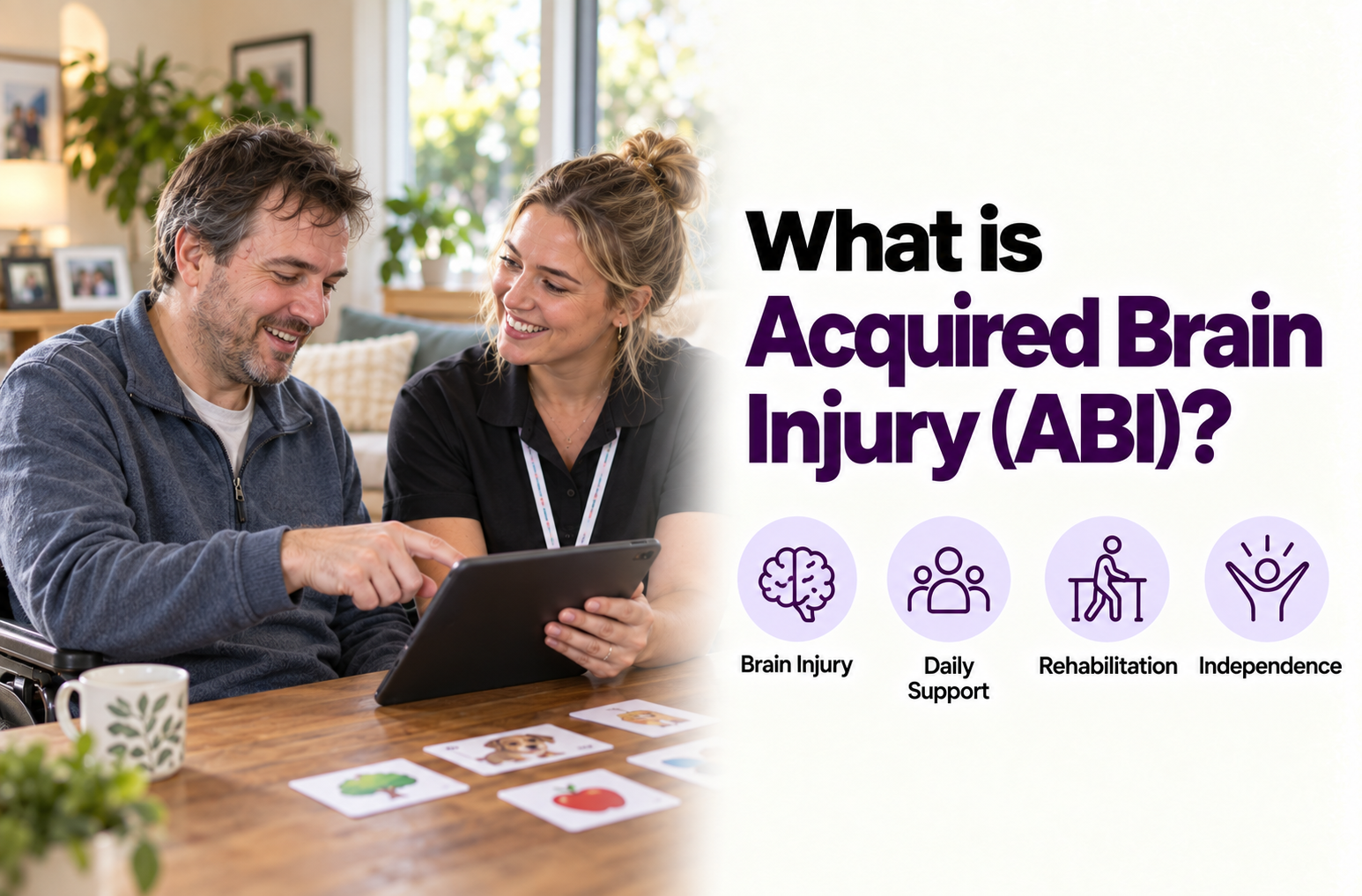
An acquired brain injury is damage to the brain that happens after a person is born. It is not something a baby is born with. This injury can happen because of an accident, illness, or lack of oxygen to the brain. Many people ask what is acquired brain injury, and it means the brain is hurt in a way that changes how a person thinks, feels, talks, or moves.
An acquired brain injury can happen to anyone, including children, adults, and older people. Some people heal fast, while others need care for a long time. An ABI injury can change a person’s life, but support and therapy can help them live better.
What Is Acquired Brain Injury?
So, what is acquired brain injury in simple words? It is when the brain gets damaged after birth. The brain controls everything we do, such as walking, speaking, remembering, and feeling emotions. When the brain is hurt, these things can become hard.
An acquired brain injury is different from a birth problem. It happens later in life because something harms the brain. This harm can be small or very serious. Some people recover well, while others may have long-term ABI symptoms.
What Causes an Acquired Brain Injury?
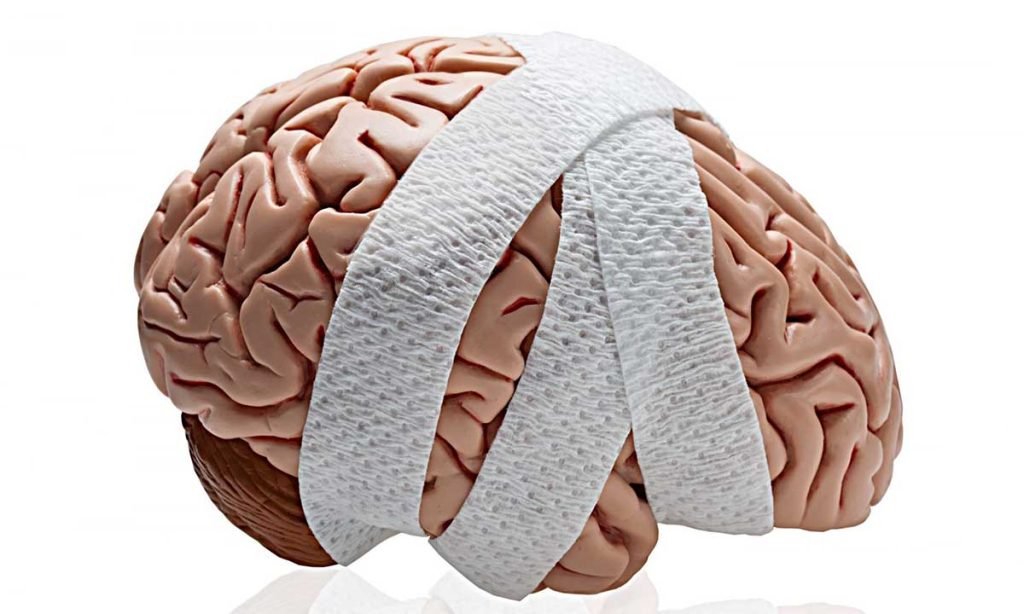
There are many reasons why an acquired brain injury can happen. Some of the most common causes are:
- Road accidents or falls
- Stroke or heart problems
- Brain infections
- Tumors
- Not getting enough oxygen
- Poisoning or drug use
These problems can damage brain cells and lead to an ABI injury. When the brain is hurt, it cannot work the way it should. Even a short time without oxygen can cause serious acquired brain injury symptoms.
Types of Acquired Brain Injuries
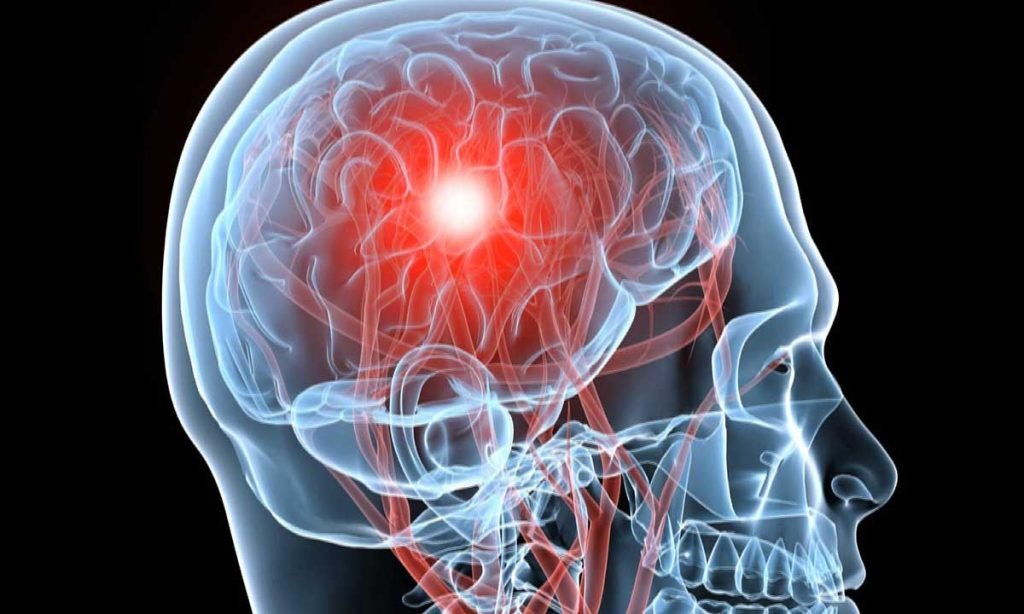
There are two main types of acquired brain injuries. One type happens because of an accident, and the other happens because of sickness inside the body.
- Traumatic ABI happens when the head is hit, such as in a fall or car crash
- Non-traumatic ABI happens because of stroke, infection, or lack of oxygen
Both types of acquired brain injuries can affect how a person moves, thinks, and feels. Some people may have only small changes, while others may have big life changes.
Acquired Brain Injury Symptoms
The acquired brain injury symptoms can be different for each person. Some people may have only small problems, while others may have big changes in their body and mind.
Common acquired brain injury symptoms include:
- Trouble remembering or learning
- Feeling tired all the time
- Trouble walking or moving
- Problems talking or understanding
- Feeling sad, angry, or confused
These symptoms can make daily life hard, but therapy and care can help. Over time, some people see their acquired brain injury symptoms get better.
How Doctors Find an ABI?
Doctors use special tests to see if someone has ABI. They may look at brain scans and ask questions about memory, movement, and speech. They also talk to the family to understand how the person was before the ABI injury happened.
Finding the problem early helps doctors plan the right treatment. When an acquired brain injury is found quickly, it is easier to give the right care.
How ABI Affects Daily Life?
An ABI can make simple tasks harder. A person may need help with daily activities such as getting dressed, cooking, or going to school. Some people cannot do their job the same way as before.
People with an ABI injury may forget things, feel tired quickly, or get confused. They may need more time to do simple tasks. These changes can be upsetting, but they are part of living with an acquired brain injury.
Treatment and Recovery
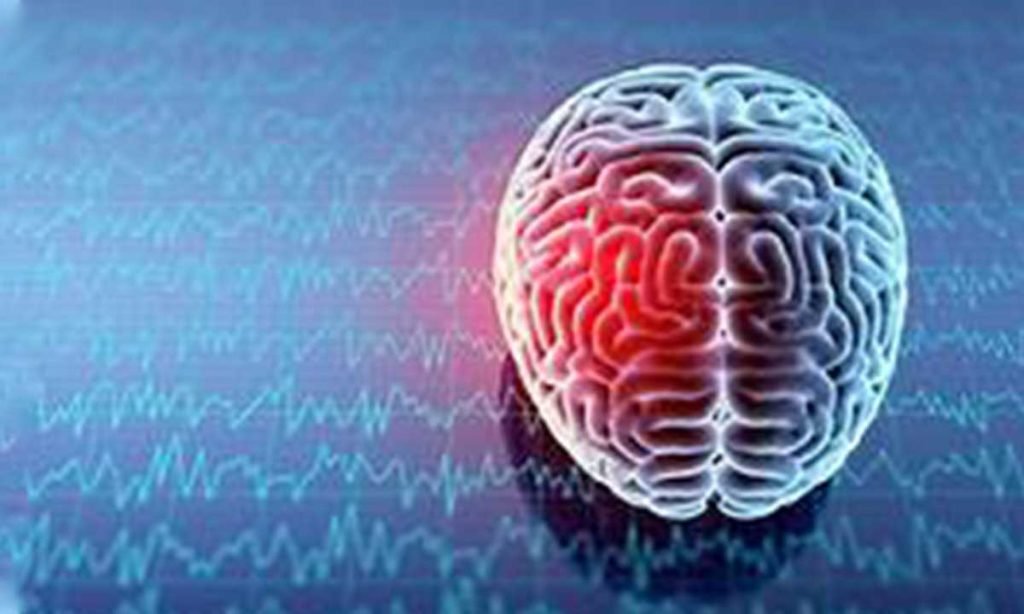
There is no one cure for acquired brain injury, but many treatments can help. Doctors, therapists, and support workers work together to help the person improve.
Treatment may include:
- Doctor visits and medicine
- Physical therapy for movement
- Speech therapy for talking
- Counseling for feelings
Recovery from an ABI injury takes time. Some people get better in months, while others need help for years. The brain can learn new ways to work, which helps people do more on their own.
Living With an Acquired Brain Injury
Living with an ABI can be hard, but people can still enjoy life. Many people go back to school, work, or hobbies. They may do things in new ways, but they can still be happy.
Learning what is acquired brain injury helps families understand what their loved one is going through. Family support, love, and patience make a big difference in recovery.
Why Support Is Important?
People with ABI often need extra help. Support services help them stay safe and independent.
Support can include:
- Help with daily tasks
- Therapy sessions
- Community programs
- Family support
These supports help reduce acquired brain injury symptoms and improve life.
Looking to the Future
Many people with ABI can learn new skills over time. With therapy and practice, they can become stronger and more confident. Even if some acquired brain injury symptoms stay, people can still live full and happy lives.
Hope, care, and support help people with ABI injury feel better and do more each day.
Conclusion
ABI happens when the brain is damaged after birth. Now you know what is acquired brain injury, the types of acquired brain injuries, and the common acquired brain injury symptoms.
An ABI injury can change a person’s life, but with care, support, and love, people with ABI can live full and meaningful lives.

NDIS Support After Leaving Prison: What You Need to Know
What Is Forensic Disability Support and Who Needs It?


What Is NDIS Plan Management? How Does It Work?

Frequently Asked Questions
What is the most common type of acquired brain injury?
The most common acquired brain injury is stroke, which happens when blood flow to the brain suddenly stops or reduces.
What are the signs of acquired brain injury?
Signs include memory loss, slow thinking, trouble walking, speech problems, mood changes, and feeling tired or confused very often.
What is the difference between traumatic and acquired brain injury?
Traumatic brain injury happens from a hit to the head, while acquired brain injury also includes damage from illness or oxygen loss.
What are the risk factors for acquired brain injury?
Risk factors include accidents, high blood pressure, smoking, alcohol use, heart disease, stroke, and lack of oxygen to the brain.
What is the most common cause of acquired brain injuries?
The most common cause of acquired brain injuries is stroke, which damages the brain when blood flow is blocked or reduced.