

Privacy in Shared Living Homes: A Guide for NDIS Participants and Care Providers

Privacy can mean different things to different people. But in the context of NDIS shared living, it can start with something as basic as a knock on the door. When individuals live together under shared arrangements such as SIL (Supported Independent Living), SDA (Specialist Disability Accommodation), or ILO (Individualised Living Options), maintaining everyone’s privacy can become a complex task. Still, it remains the most essential one.
This guide is designed to help NDIS participants, support coordinators, and care providers better understand how to prioritise privacy in shared living homes. This is not just a principle, but it’s a practical part of everyday life.
Why Privacy Matters in Shared Settings?
Privacy in shared living homes is more than just a comfort issue; because it’s tied directly to autonomy, dignity, and wellbeing. For many, the shift to NDIS accommodation is a major step toward independent living. But when multiple people live under one roof, there are bound to be moments where boundaries blur.

A sense of personal space in disability housing can help a lot. It can support mental health, reduce anxiety, and help individuals feel more in control of their lives. And again, it’s a right, not a privilege. As underscored by the principles of NDIS participant rights.
SIL and Privacy: What Participants Should Know
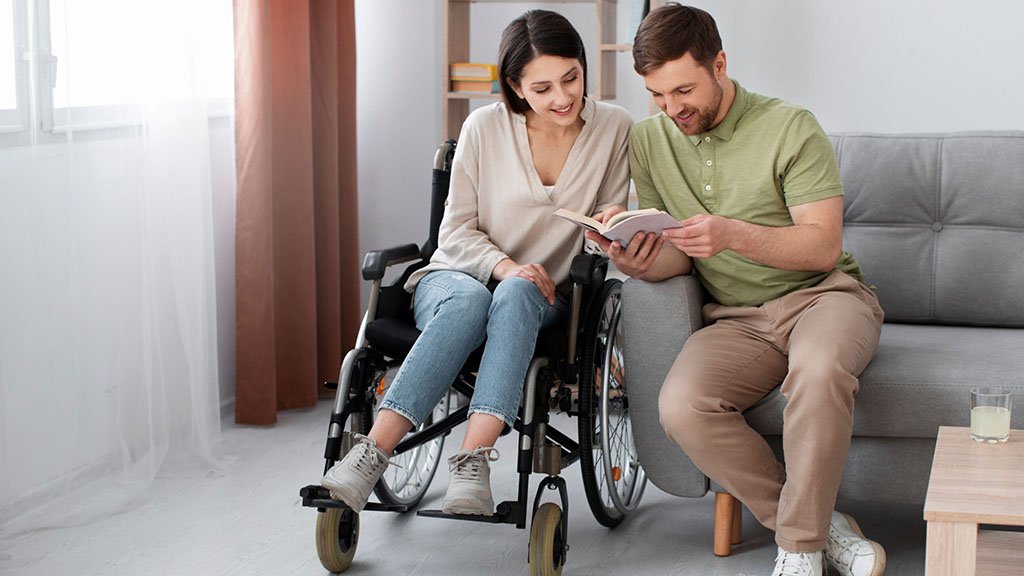
In Supported Independent Living (SIL) environments, participants receive day-to-day support while sharing common areas. This naturally introduces some grey areas around privacy.
To ensure SIL privacy, participants and their coordinators can ask a few questions, such as:
- Ask whether private bedrooms have locks (if safe and allowed)
- Clarify how support workers enter or assist in personal spaces
- Check if support hours can be staggered to limit overlap with others’ routines
In these homes, the goal is to create NDIS home privacy solutions that don’t compromise safety or support. It may involve small changes such as curtains as room dividers or noise machines, but their impact on dignity is often profound.
Living with Other Participants: SDA and ILO Scenarios

Shared homes under SDA or ILO often host more than one participant. Sometimes, all are supported by the same worker; other times, multiple support workers rotate through the household.
To manage privacy in shared living homes in such scenarios, it helps to:
- Make sure that each participant’s support plan is kept confidential and separate
- Use clearly defined rosters to avoid clashing schedules
- Establish household routines that support uninterrupted personal time
Participants (or their support coordinators) can initiate conversations around shared housing etiquette and set up household agreements to prevent miscommunication. These conversations don’t have to be confrontational; they can simply be a way to foster respect.
Privacy Policies in Disability Care: What to Look For

Not all NDIS care providers in Australia approach privacy the same way. Some may have formal privacy policies in disability care, while others may address concerns reactively. As a participant or coordinator, you can:
- Ask providers about their approach to NDIS accommodation privacy
- Request to know their privacy policy and how it’s implemented on-site
- Confirm if there are escalation pathways when privacy is breached
Privacy breaches may not always be deliberate. Sometimes, it’s a matter of habit or unclear boundaries. But they can still impact someone’s sense of safety.
Disability Support Worker Responsibilities Around Privacy

Support workers often operate in someone else’s home. This makes their role in maintaining privacy rights for NDIS participants especially sensitive. Whether providing personal care or domestic support, the following boundaries are important:
- Always knock and wait for permission to enter rooms
- Keep participant discussions private, even within the household
- Avoid assuming shared spaces are always accessible
When disability support worker responsibilities are guided by strong policies and respectful practices, privacy naturally improves. Providers and participants alike benefit from clarity.
Building Personal Space in Disability Housing
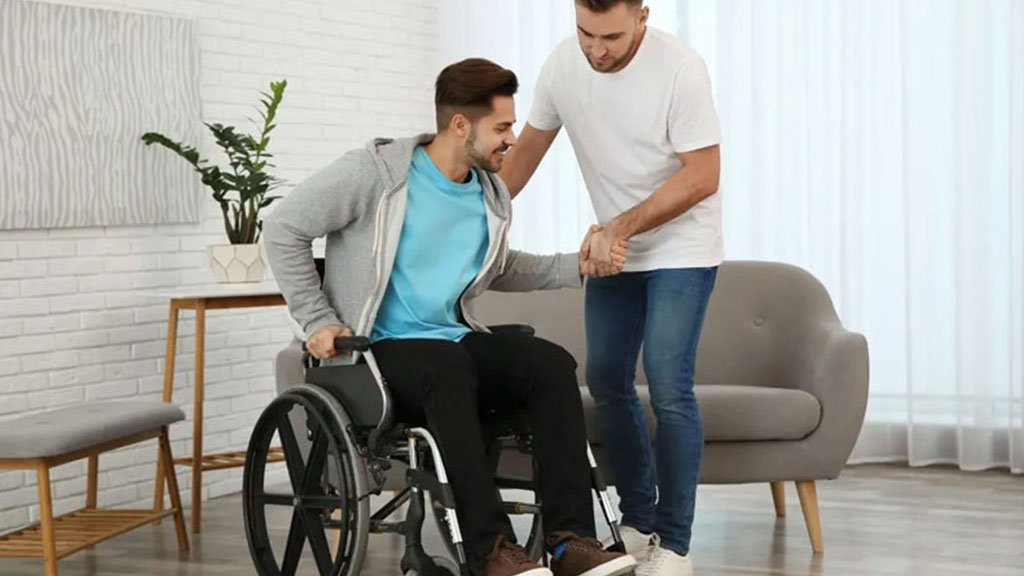
Whether you’re moving into an SDA unit or a shared ILO house, designing personal space in disability housing matters. Even small additions can help:
- Use room dividers to section off private zones
- Label storage and shelves to avoid mix-ups
- Introduce quiet zones for downtime
- Keep communal areas neutral and comfortable for everyone
Providers may offer basic infrastructure, but you have the right to personalise your space. And if you’re unsure, NDIS provider staff or your coordinator can help identify what your plan covers.
Community Housing Privacy: A Shared Responsibility
In group homes or community housing models, privacy is shaped not only by walls and locks but also by behaviour. That’s why promoting community housing privacy requires shared buy-in.
Start by setting community guidelines that include:
- House rules for visitors
- Cleaning rosters that avoid surprise interruptions
- Noise limits for early mornings or late nights
- Rules around shared vs personal food or belongings
With these ground rules in place, the home becomes a respectful, predictable space for all. This also contributes to maintaining dignity in shared living, a pillar of quality disability support.
Coordinating Privacy with Support Schedules
One often overlooked aspect of NDIS shared living is the coordination of support across multiple participants. When rosters overlap or aren’t communicated well, it can create unintentional disruptions.
To improve this:
- You can ask for a copy of your individual support schedule
- You can encourage providers to coordinate between participants’ routines
- You can raise concerns early if you notice regular privacy disruptions
Support coordinators are especially helpful here, acting as the bridge between participants and shared living support services.
Final Thoughts
Maintaining privacy in shared living homes is not about creating isolation. It’s all about creating choice. If you’re a participant, a loved one, or a coordinator, supporting someone’s right to privacy supports their journey to independence.
Ask questions. Set expectations. Build respectful homes. Because privacy rights for NDIS participants are both policy and personal.
NDIS Support After Leaving Prison: What You Need to Know
What Is Forensic Disability Support and Who Needs It?

What Is NDIS Plan Management? How Does It Work?

Frequently Asked Questions
Can I have my own room in a shared living home under NDIS?
Yes. Most NDIS shared living homes ensure each participant has a private bedroom. This supports both personal space and dignity.
How is my personal information kept private in SIL settings?
NDIS providers are required to follow strict privacy laws. Your medical, financial, and personal data are stored securely and shared only with authorised staff.
What if I feel like my privacy is being invaded in the shared home?
You can raise your concerns with your support provider or NDIS support coordinator. You also have the right to file a formal complaint if needed.
Are there house rules to help maintain privacy in shared living?
Yes. Most shared homes set agreed-upon house rules for shared spaces, noise levels, visitors, and respecting each other’s boundaries.
Can I choose who I live with in a shared living home?
You may be able to express preferences regarding housemates. NDIS providers often try to match individuals with compatible lifestyles and support needs.