

NDIS Eligibility Checklist: Who Qualifies for NDIS Funding in Australia?
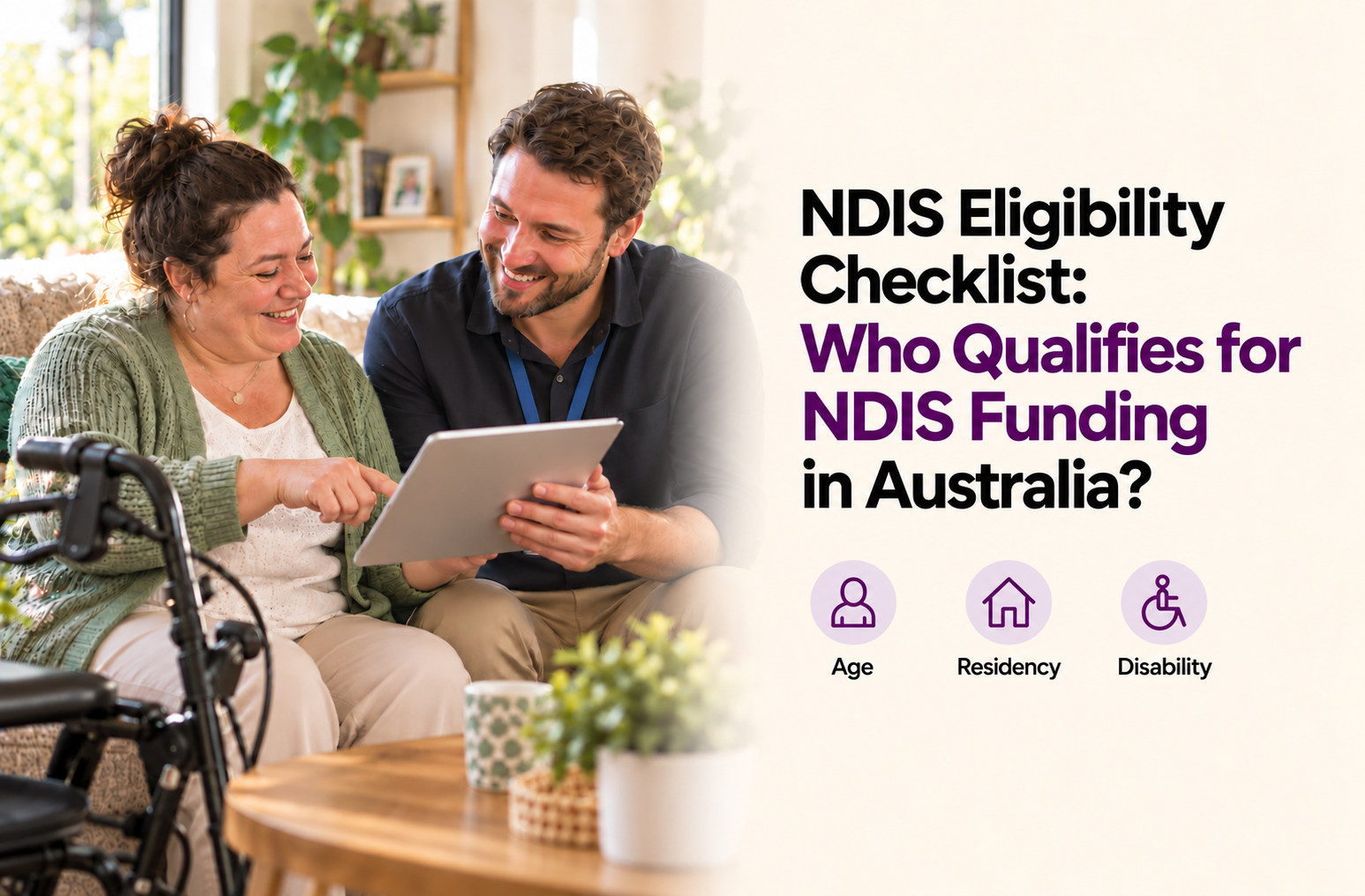
Navigating the National Disability Insurance Scheme (NDIS) can feel overwhelming, especially if you are applying for the first time. Many people are unsure whether they qualify, what documents they need, or how the application process works.
This NDIS eligibility checklist will help you understand the basic requirements for accessing NDIS funding in Australia. While this guide is not an official assessment, it explains the main eligibility rules and the steps involved in applying.
At This Ability Care, we are a trusted NDIS provider in Adelaide, helping participants understand the process and access the support they need to live more independently.
What Is the NDIS?
The National Disability Insurance Scheme (NDIS) provides funding to eligible Australians who have a permanent and significant disability. The funding helps participants access supports and services that improve independence, build everyday skills, and encourage community participation.
Understanding NDIS eligibility is the first step towards receiving the right support through your NDIS plan.

NDIS Eligibility Checklist
If you are wondering whether you may qualify, use this simple NDIS access eligibility checklist as a guide.
1. Are You Under 65 Years of Age?
To apply for the NDIS, you generally need to be under the age of 65 when you submit your application.
If you are 65 or older, other government support programs may be more appropriate.
2. Do You Meet the Residency Requirements?
One of the important NDIS eligibility requirements is meeting Australia’s residency rules.
Generally, applicants must be:
- An Australian citizen
- An Australian permanent resident
- A Protected Special Category Visa holder
Meeting these residency conditions is essential for eligibility for NDIS funding.
3. Do You Have a Permanent Disability?
The NDIS is designed for people whose disability is likely to be permanent and has a significant impact on daily life.
Your disability may be:
- Physical
- Intellectual
- Cognitive
- Neurological
- Psychosocial
- Sensory (hearing or vision)
These conditions form part of the NDIS eligibility criteria used during the assessment process.
Does Your Disability Affect Everyday Activities?
Meeting the basic requirements alone may not be enough. The NDIS also looks at how your disability affects your ability to complete everyday tasks independently.
Examples include:
- Personal care such as showering and dressing
- Preparing meals
- Moving around safely
- Communicating with others
- Learning new skills
- Managing daily routines
- Participating in work or education
- Building social relationships
If your disability significantly affects these activities, you may meet the NDIS eligibility requirements for support.

Do You Need Ongoing Support?
The NDIS is designed to provide long-term assistance that helps people achieve greater independence and improve their quality of life.
You may be eligible if you require support to:
- Complete daily living activities
- Build independence
- Participate in community activities
- Improve communication skills
- Increase employment opportunities
- Access education or training
- Develop life skills
- Reach personal goals
These areas are considered when assessing your eligibility for NDIS funding.
Early Intervention Support
In some situations, people may receive NDIS support through the Early Intervention pathway.
Early intervention is available when providing support now is likely to reduce the long-term impact of a disability or developmental delay.
Children with developmental delays or certain diagnosed conditions may be assessed differently from adults, depending on their individual circumstances.
Documents You May Need
Preparing the right documents can make your application process smoother.
Useful supporting evidence may include:
- Medical reports
- Specialist assessments
- Hospital records
- Therapy reports
- Functional capacity assessments
- Letters from treating health professionals
These documents help demonstrate how your disability affects your everyday life and support your NDIS eligibility assessment.
How to Apply for the NDIS
After using this NDIS access eligibility checklist, the next step is applying through the National Disability Insurance Agency (NDIA).
The general process includes:
Speak with Your Doctor
Discuss your disability with your GP or specialist and request supporting evidence for your application.
Gather Supporting Documents
Collect reports and assessments that explain your disability and how it affects your daily life.
Submit Your Application
Complete your NDIS Access Request and provide the required documentation.
Attend Your Planning Meeting
If your application is approved, you will attend a planning meeting to discuss your goals, support needs, and funding.
Begin Receiving Supports
Once your plan is approved, you can start accessing services from registered providers like This Ability Care.

How This Ability Care Can Help
Understanding the NDIS access eligibility checklist is only the beginning. Choosing the right support provider is just as important.
As a trusted NDIS provider in Adelaide, This Ability Care works closely with participants and their families to deliver personalised disability support services that match individual goals and needs.
Our experienced team provides assistance with:
- Daily personal activities
- Community participation
- Supported Independent Living (SIL)
- Specialist Disability Accommodation (SDA)
- Household tasks
- Travel and transport
- Respite care
- Individual support services
As an experienced NDIS provider Adelaide, we are committed to helping participants make the most of their NDIS plans while supporting greater independence and improved quality of life.
Final Thoughts
Applying for the NDIS may seem complicated, but understanding the NDIS eligibility checklist makes the process much easier. If you meet the residency, age, disability, and functional support requirements, you may qualify for NDIS funding.
If you are unsure about your NDIS eligibility or need assistance understanding the NDIS eligibility criteria, This Ability Care is here to help. Our knowledgeable team can guide you through the process and provide high-quality support once your plan is approved.
NDIS Support After Leaving Prison: What You Need to Know
What Is Forensic Disability Support and Who Needs It?

What Is NDIS Plan Management? How Does It Work?

Frequently Asked Questions
What is SDA housing?
SDA housing refers to Specialist Disability Accommodation, which consists of specially designed homes for eligible NDIS participants with significant functional impairments or very high support needs.
What does SDA stand for in NDIS?
SDA stands for Specialist Disability Accommodation. It is a type of NDIS-funded housing designed to support participants who require specialised living environments.
Who is eligible for SDA housing in Australia?
Eligibility is determined by the NDIS and generally applies to participants with extreme functional impairment or very high support needs who require specialised housing solutions.
How does SDA housing work under the NDIS?
The NDIS may provide SDA funding to eligible participants to help cover the cost of specialised accommodation that meets their disability-related needs.
What types of SDA housing are available?
Common SDA categories include Improved Liveability, Fully Accessible, High Physical Support, and Robust housing.
What is the difference between SDA and SIL?
SDA refers to the housing itself, while SIL (Supported Independent Living) refers to support services provided within the home.
Is SDA housing funded by the NDIS?
Yes, eligible participants may receive SDA funding through their NDIS plan if they meet the required criteria.
How do I apply for SDA housing?
You can discuss SDA eligibility with your NDIS planner, support coordinator, or a provider such as This Ability Care to begin exploring suitable housing options.
Can SDA participants live independently?
Yes. SDA housing is designed to promote independence by providing accessible and supportive living environments that meet individual needs.
What support is available in SDA housing?
Depending on a participant’s plan, support may include personal care, daily living assistance, Supported Independent Living (SIL), and access to community participation services.