

NDIS Planning Changes 2026: What You Need to Know
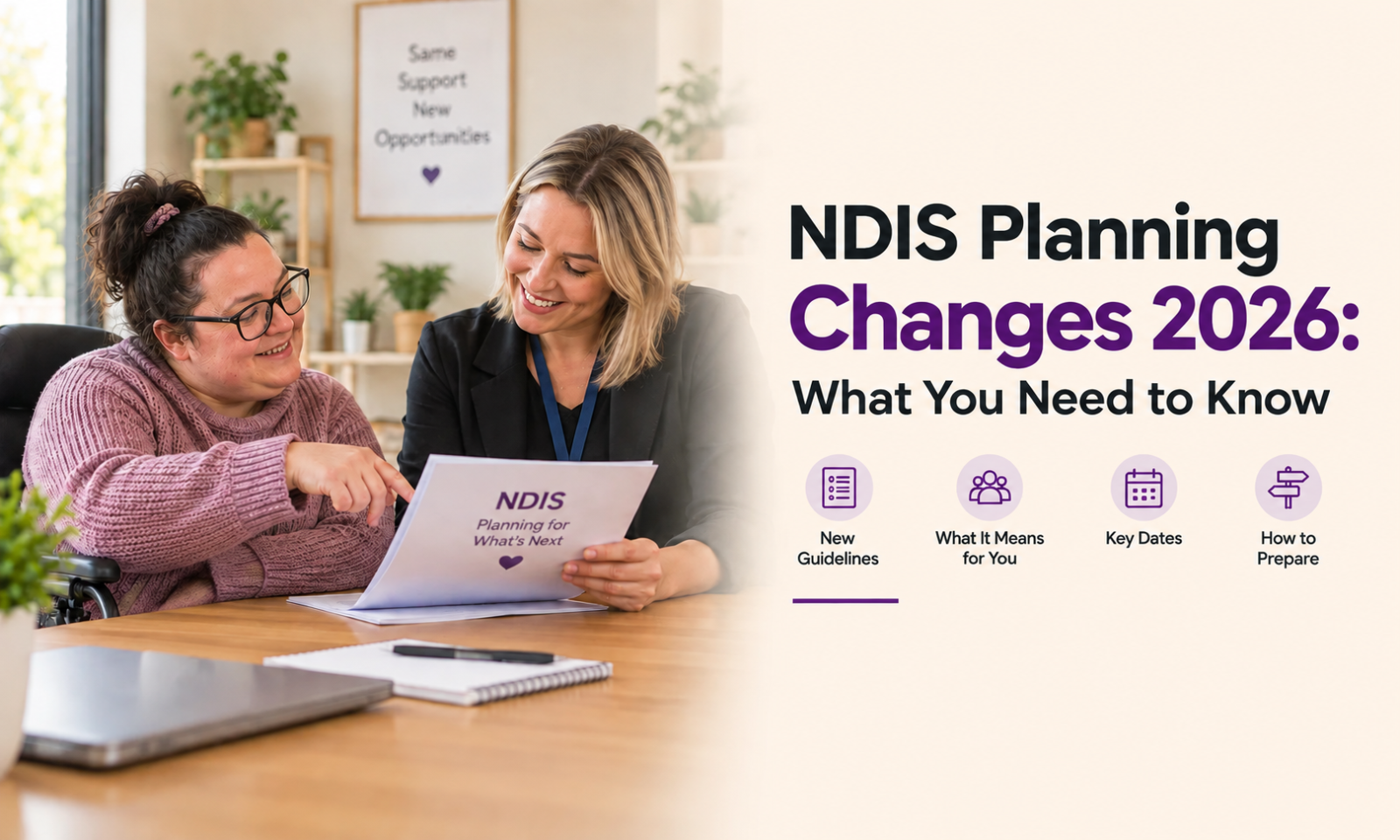
The National Disability Insurance Scheme is entering a major reform period, with several important updates already being introduced and more changes planned over the next few years. The NDIS changes 2026 are designed to make the system fairer, easier to understand, and more sustainable for participants, families, carers, and providers across Australia.
These reforms come after extensive consultation with people living with disability, support workers, allied health professionals, and advocacy groups. The government’s goal is to improve transparency, budgeting, planning, and access while ensuring participants continue receiving the supports they need.
If you are a participant, family member, or support provider, understanding the NDIS changes 2026 is essential. In this guide, we explain the new planning system, funding updates, support needs assessments, navigator roles, and what participants can expect moving forward.
At This Ability Care, we are committed to helping participants confidently navigate these changes while continuing to receive quality and person-centred NDIS services.
Understanding the NDIS Planning Reforms
The upcoming NDIS changes 2026 focus heavily on improving how participant plans are created, funded, and managed. Many participants have previously reported that the planning process felt confusing, inconsistent, and stressful. The government is now working to create a system that is more transparent and easier to navigate.
The reforms aim to:
- Improve fairness in funding decisions
- Make planning more participant-focused
- Reduce the need for expensive medical reports
- Increase flexibility in how budgets are used
- Introduce better support systems for participants and families
These broader NDIS changes are part of a long-term transition expected to continue over several years.
Funding Periods and Budget Management

One of the most discussed aspects of the NDIS changes 2026 is the introduction of funding periods.
A funding period is a set timeframe during which part of a participant’s funding becomes available. Instead of receiving unrestricted access to the entire budget immediately, funding may now be released gradually throughout the plan period.
The purpose of this change is to:
- Help participants manage budgets effectively
- Reduce overspending early in plans
- Ensure funding lasts for the entire plan duration
- Improve long-term financial planning
Funding periods may apply to:
- The total plan budget
- Individual support categories
- Specific funding components
These updates are intended to support smarter budgeting and reduce financial stress for participants.
New Definition of NDIS Supports

Another important part of the NDIS changes 2026 is the clearer definition of what the NDIS can and cannot fund.
Many participants previously experienced confusion regarding eligible supports. Under the updated system, the NDIA is introducing clearer funding guidelines to create more consistency in decision-making.
This means:
- Participants will better understand approved supports
- Funding decisions should become more transparent
- Planning meetings may become easier to navigate
- Reduced uncertainty around plan approvals
These improvements are expected to strengthen trust in the NDIS system while simplifying the participant experience.
Support Needs Assessments Coming in 2027
While the main rollout begins after 2026, support needs assessments are a major part of current planning 2026 discussions because they are shaping future NDIS planning reforms.
From April 2027, support needs assessments will become part of the new planning framework. These assessments are designed to gather consistent information about a participant’s daily support requirements.
The assessments will:
- Be culturally appropriate
- Be trauma-informed
- Support a wide range of disability groups
- Help determine fairer budgets
The government introduced this reform because many participants reported frustration with the current planning process and the expensive reports often required during NDIS reviews.
The new system aims to reduce that burden by allowing participants to focus more on supports and less on collecting evidence.
A More Participant-Focused Planning Process
The NDIS changes 2026 are also shifting the focus toward participant needs rather than simply medical diagnoses.
Under the proposed approach:
- Access decisions will consider the impact of disability on daily life
- Participants may receive more support during applications
- Qualified assessors will conduct comprehensive needs assessments
- Budget decisions will become more transparent
The updated planning 2026 model separates:
- Access to the NDIS
- Budget setting
- Support planning
This approach is expected to improve fairness and consistency during NDIS reviews and future plan reassessments.
Introduction of Navigators

One of the most significant reforms within the NDIS changes 2026 is the creation of navigator roles.
Navigators will help participants:
- Understand the disability support system
- Access mainstream and foundational supports
- Connect with service providers
- Coordinate services and supports
- Manage life transitions
There will be:
- General navigators
- Specialist navigators for complex needs
Participants with psychosocial disability, housing needs, or major life transitions may receive more specialised support.
This change aims to reduce confusion and ensure participants receive guidance throughout their NDIS journey.
At This Ability Care, we understand how important ongoing guidance and advocacy can be for participants and families adjusting to these new systems.
Foundational Supports Outside the NDIS
The government also plans to introduce broader disability supports beyond the NDIS itself.
These supports are known as foundational supports and are part of the wider NDIS changes currently being developed.
Examples include:
- Peer support
- Community participation programs
- Employment assistance
- Help navigating services
- Early intervention supports for children
- Everyday assistance for people with lower support needs
The goal is to create a disability support system that works both inside and outside the NDIS.
This means people who may not qualify for the NDIS can still receive important supports through community and foundational programs.
Changes for Children and Families

The NDIS changes 2026 also place strong emphasis on early intervention and support for families.
The reforms aim to:
- Identify developmental concerns earlier
- Improve access to evidence-based supports
- Increase support through schools and community settings
- Reduce barriers for children with disability
Families may also receive assistance from lead practitioners who can help coordinate therapy and support services.
This new direction within planning 2026 recognises that early support often leads to better long-term outcomes for children.
Psychosocial Disability Reforms
Many people with psychosocial disability have reported difficulties navigating the current system. The upcoming NDIS changes 2026 aim to improve this experience.
Planned improvements include:
- Recovery-focused support pathways
- Better coordination with mental health services
- Specialist psychosocial navigators
- Improved foundational supports outside the NDIS
These reforms are intended to create a more flexible and responsive support system for participants with changing needs.
Increased Focus on Quality and Safety

Another key priority of the NDIS changes 2026 is improving provider oversight and participant safety.
The reforms propose:
- Better fraud prevention systems
- Improved complaint handling
- Greater provider transparency
- Stronger safeguards for participants
The NDIA and regulatory bodies are expected to take a more active role in monitoring providers and ensuring quality services.
Participants are also expected to receive clearer information to help them make informed choices about providers.
This Ability Care continues to focus on safe, reliable, and participant-centred services that align with evolving NDIS standards and expectations.
What These Changes Mean for Participants
The upcoming reforms represent one of the biggest shifts in the history of the NDIS. While change can sometimes feel overwhelming, the intention behind the NDIS changes 2026 is to create a system that is:
- Fairer
- More transparent
- Easier to navigate
- More sustainable long-term
Participants can expect:
- More structured budgeting
- Greater support during planning
- Better explanations for funding decisions
- Improved service coordination
- Expanded community support options
As these reforms continue rolling out, staying informed will be extremely important.
Working with experienced providers like This Ability Care can help participants and families understand changing requirements, prepare for future NDIS reviews, and access supports that align with their goals and individual needs.
Content Source page
https://www.ndis.gov.au/new-way-of-planning/changes-ndis
https://www.ndisreview.gov.au/resources/reports/working-together-deliver-ndis-supporting-analysis
NDIS Support After Leaving Prison: What You Need to Know

What Is Forensic Disability Support and Who Needs It?


What Is NDIS Plan Management? How Does It Work?

Frequently Asked Questions
What are the NDIS planning changes in 2026?
The NDIS planning changes in 2026 include funding periods, clearer funding rules, improved planning processes, navigator roles, and preparation for support needs assessments that will begin in 2027.
How will the NDIS changes 2026 affect participants?
The NDIS changes 2026 may affect how participants access funding, manage budgets, complete plan reviews, and connect with support services. The reforms aim to improve fairness and transparency.
Will NDIS funding rules change in 2026?
Yes. The NDIS is introducing clearer definitions of what supports can and cannot be funded, along with funding periods to improve budget management.
What is the new NDIS planning process in 2026?
The new planning process separates access, budget setting, and support planning into clearer stages while focusing more on participant support needs and daily functioning.
Will existing NDIS plans be affected by the 2026 updates?
Some participants may notice changes during reassessments or plan renewals as new systems and funding structures are gradually introduced.
Are support coordination services changing under NDIS 2026 updates?
Yes. The review proposes navigator roles that may replace or reshape some current support coordination services over time.
Will NDIS eligibility rules change in 2026?
Eligibility is expected to focus more on the impact of disability on daily life rather than diagnosis alone.
Will NDIS budgets change under the new planning rules?
Budget decisions may become more structured and consistent through comprehensive support needs assessments and updated planning frameworks.