

What Is Robust SDA Housing and Who Is It Designed For?
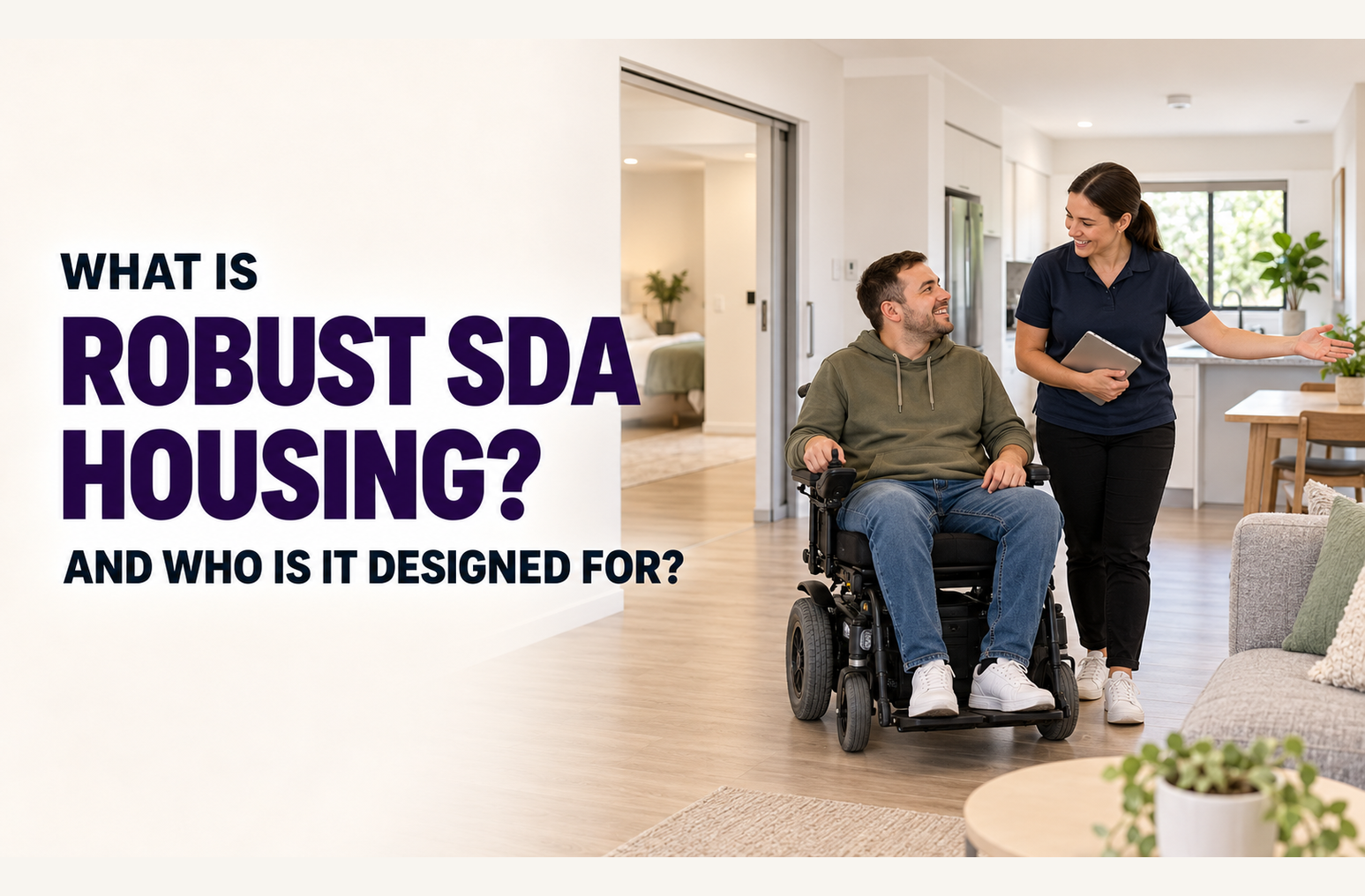
Finding the right home is important robust SDA for people living with disability, especially those who require specialised support to stay safe and manage everyday activities. Specialist Disability Accommodation (SDA) offers housing options designed for eligible NDIS participants with significant support needs. One of these options is robust SDA, which focuses on durable construction and design features that can better withstand physical impacts.
Understanding this housing category can help participants, families, and support coordinators make informed decisions about suitable accommodation. It is also important to understand who may qualify, what features a property can include, and how housing works alongside daily support services.
What Is Robust SDA Housing?
SDA is a Specialist Disability Accommodation design category intended for eligible participants who need a home with stronger, more durable features. It may suit people whose disability-related support needs include behaviours of concern that can result in physical damage to household fixtures or require a carefully designed living environment.
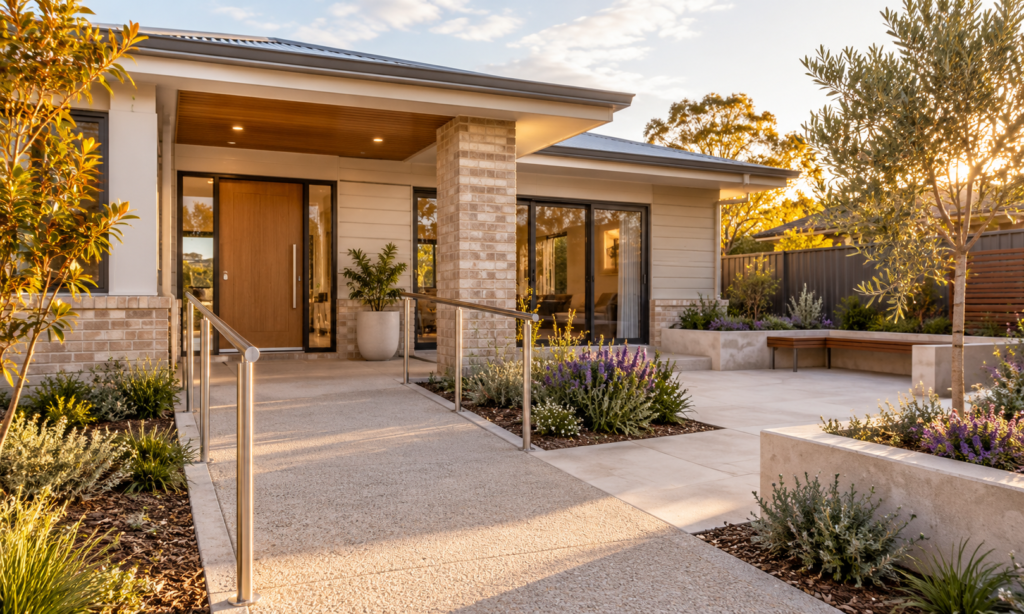
The purpose is to create a home that supports safety, comfort, and independence while reducing certain environmental risks. Depending on the property, features may include durable wall finishes, reinforced fittings, and layouts designed around the needs of residents.
The SDA robust design category does not mean every home has the same features. Properties must meet the relevant design requirements, and their suitability depends on the participant’s individual circumstances.
Who Is Robust SDA Designed For?
This housing option may be suitable for NDIS participants who have significant functional impairment or very high support needs and require specialist accommodation. Some individuals may need a more durable environment because ordinary housing does not adequately meet their disability-related requirements.
However, having a disability or needing daily assistance does not automatically make someone eligible for SDA. The NDIS assesses individual circumstances and applies specific eligibility and funding criteria.
NDIS robust housing may be considered when a participant’s assessed needs indicate that specialist accommodation is appropriate. The decision should consider the person’s safety, preferences, living goals, and existing support arrangements.
Important Features of SDA Properties
The features of a property depend on its design, certification, and the needs it is intended to accommodate. Common considerations include:
- Durable materials: Surfaces and finishes designed to withstand greater physical impact.
- Reinforced fittings: Selected fixtures built for strength and durability.
- Safer layouts: Practical spaces that help reduce environmental hazards.
- Secure features: Appropriate doors, windows, and fittings that meet relevant requirements.
- Functional spaces: Areas designed to support everyday activities and suitable assistance.
- Individual suitability: Features that align with residents’ assessed needs and preferences.
A property designed SDA should meet the applicable design standards. Participants should ask providers about the property’s specific features instead of assuming every home offers identical facilities.
How Robust Housing Supports Complex Needs
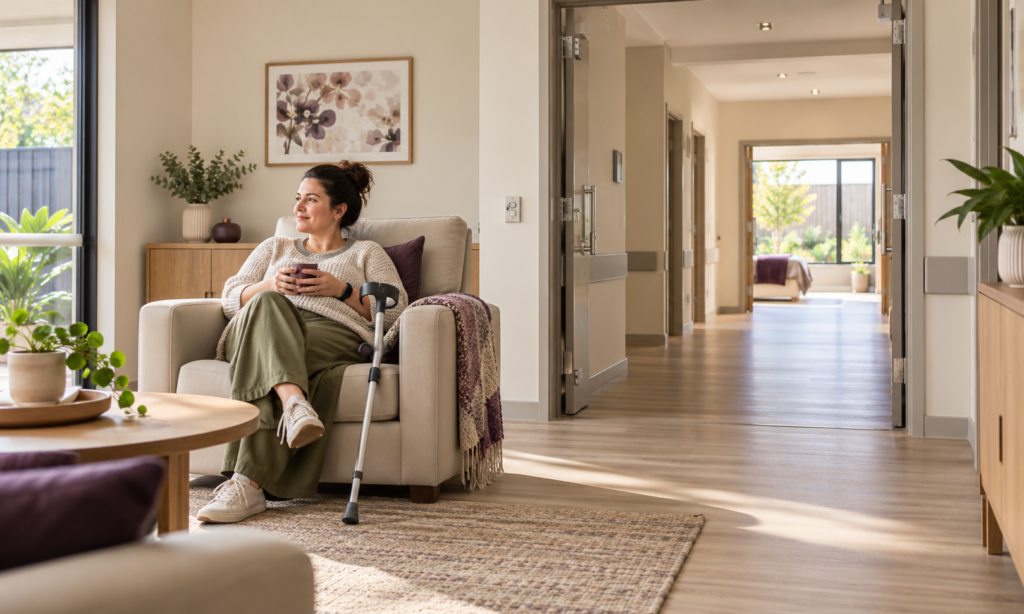
A suitable living environment can make everyday activities more manageable for people who need substantial support. Durable fittings and carefully considered layouts may help reduce some property-related risks and create a more appropriate setting for daily routines.
Robust SDA NDIS arrangements may form part of a wider support plan involving support workers, family members, and relevant professionals. Housing design can complement suitable support strategies, but it does not replace professional assessment or individual behaviour support plans.
For example, a durable environment may reduce damage to certain fixtures, while practical living spaces can help support workers assist with everyday tasks. The overall approach should respect the participant’s rights, dignity, privacy, and choices.
Robust SDA vs Improved Liveability SDA
The main difference between Robust and Improved Liveability SDA is the type of design need each category addresses.
Improved Liveability SDA focuses on making a home easier to understand, navigate, and use for people with sensory, intellectual, or cognitive needs. Depending on the property, this may involve clear layouts, improved visibility, and helpful design cues.
In comparison, SDA robust design focuses on durability and resilience for eligible participants who require a more robust physical environment.
Neither category is automatically better than the other. The appropriate option depends on the person’s assessed needs and approved housing requirements.
Understanding SDA and SIL
SDA and Supported Independent Living (SIL) serve different purposes under the NDIS. SDA relates to specialist housing for eligible participants, while SIL generally provides assistance with daily activities such as personal care, cooking, household routines, and developing independent living skills.
A participant may receive both supports if they meet the separate eligibility and funding requirements. However, robust housing does not automatically include support workers, and SIL funding does not automatically cover specialist accommodation.
Understanding this difference helps participants plan their housing and everyday assistance more effectively.
Does the NDIS Fund Robust SDA?
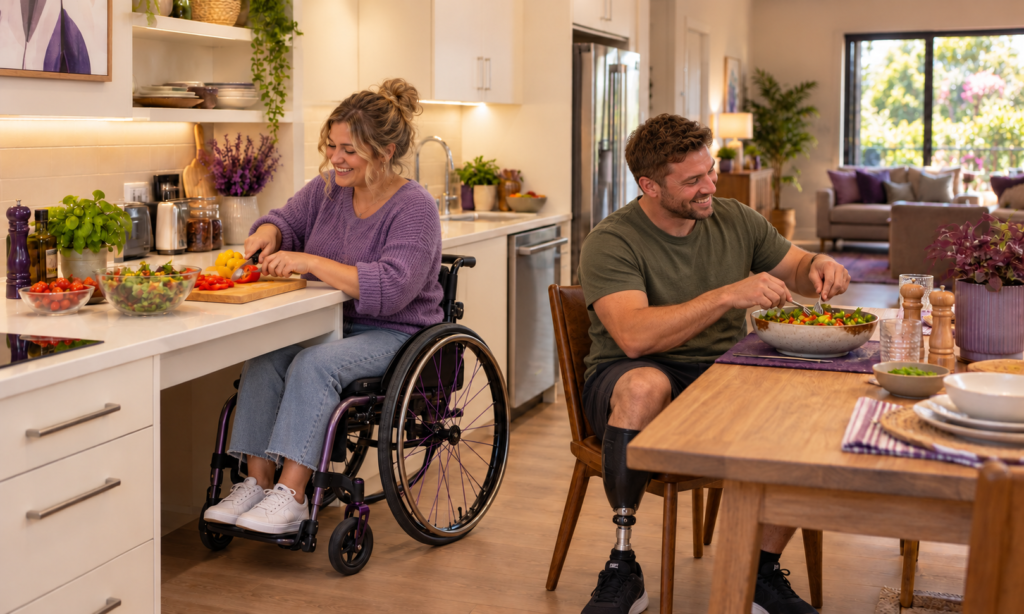
The NDIS may fund specialist accommodation for participants who meet the eligibility criteria and have SDA included in their approved plan. Funding decisions depend on the person’s assessed functional impairment, support needs, and the relevant NDIS rules.
Not everyone who needs accessible or durable housing qualifies for SDA. Participants should discuss their circumstances with their support coordinator, planner, or relevant NDIS contact to understand their options.
Before selecting a property, it is also important to clarify rental arrangements, any personal housing costs, available vacancies, and the support services that may be needed.
Choosing a Suitable Home in Adelaide
Finding suitable accommodation involves more than checking a property’s design category. Participants should consider location, accessibility, nearby services, community connections, personal preferences, and compatibility with their support arrangements.
When exploring NDIS robust housing, ask about the property’s certified design category, available facilities, tenancy conditions, and features that relate to your individual needs. If possible, inspect the home and discuss any concerns before making a decision.
This Ability Care helps people explore disability support options and understand how housing and everyday assistance may fit into their broader goals. Visit our SDA Housing Provider in Adelaide page to learn more about local accommodation support options.
What Is Robust SDA Housing and Who Is It Designed For?
NDIS Support After Leaving Prison: What You Need to Know
What Is Forensic Disability Support and Who Needs It?

What Is NDIS Plan Management? How Does It Work?
Frequently Asked Questions
What Is Robust SDA Housing?
Robust SDA is a specialist housing design category for eligible NDIS participants who need a durable living environment designed to withstand greater physical impacts and accommodate certain complex support needs.
Who Is Eligible for Robust SDA Housing?
Eligibility depends on the participant’s functional impairment, support needs, and NDIS assessment. A disability diagnosis alone does not guarantee SDA funding.
What Features Does Robust SDA Housing Include?
Features may include durable construction materials, reinforced fixtures, and layouts designed to address relevant safety and support requirements. Specific features vary by property.
What Is the Difference Between Robust SDA and Improved Liveability SDA?
Robust SDA focuses on durability and resilience, while Improved Liveability SDA focuses on design features that improve usability for people with sensory, intellectual, or cognitive needs.
How Does Robust SDA Housing Support People with Complex Needs?
It can provide a more suitable physical environment, help reduce certain property-related risks, and complement daily support arrangements tailored to the participant.
Does the NDIS Fund Robust SDA Housing?
The NDIS may fund SDA when a participant meets the relevant eligibility criteria and has the support included in their approved plan.
What Is the Purpose of the Robust SDA Design Category?
The purpose is to provide a durable specialist living environment for eligible participants whose disability-related needs make this type of accommodation appropriate.
Can Participants Choose Their Robust SDA Home?
Participants can explore available properties and express their preferences. Their options depend on vacancies, location, suitability, and funding arrangements.
What Is the Difference Between Robust SDA and SIL?
SDA provides specialist housing, whereas SIL provides assistance with daily living tasks. Eligible participants may receive both, subject to the applicable funding rules.
How Can I Find Robust SDA Housing in Adelaide?
Discuss your requirements with your support coordinator or NDIS contact and explore suitable properties with providers. You can also visit This Ability Care’s SDA housing services in Adelaide page to learn about local options.